Dealcoholized Wine Explained: How We Remove the Alcohol But Keep the Flavor
Ever wonder how wine can lose the alcohol but still taste like wine? That is the magic of dealcoholized wine. It is not grape juice, and it is not a dressed-up mocktail. It starts as real fermented wine, then undergoes a careful alcohol-removal process designed to preserve the flavor, aroma, and wine-like feel.
In this blog, we will break down what dealcoholized wine is, how the process works, why preserving flavor is tricky, what makes a great non-alcoholic white wine, and how we bring a Cali sober twist with dealcoholized Sauvignon Blanc infused with hemp-derived Delta-9 THC.
What Is Dealcoholized Wine?
Dealcoholized wine is real wine that begins with traditional fermentation and has most or all of the alcohol removed. That fermentation step is the big difference. Yeast turns grape sugars into alcohol, while also building the aromas, acidity, texture, and character that make wine feel like wine.
Grape juice skips that whole journey. Many wine alternatives are made from tea, juice, vinegar, or botanicals. Dealcoholized wine begins with the real thing, giving it a more wine-like base.
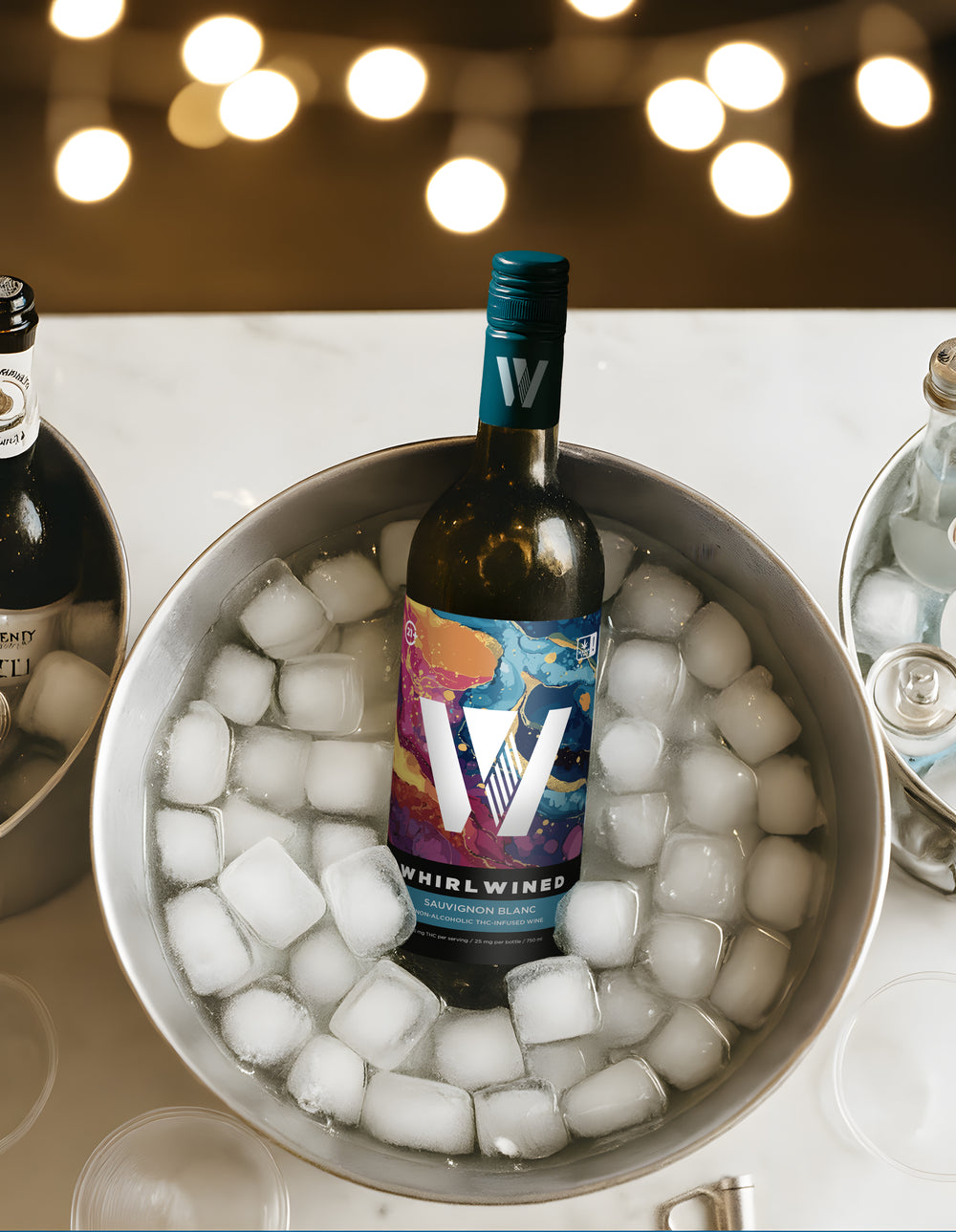
Whirlwined follows that path, starting with Washington grape wine before dealcoholization and hemp-derived THC infusion.
How Alcohol Is Removed From Wine
Alcohol removal happens after fermentation, once the wine has already become, well, wine. The goal is not just to pull out ethanol and call it a day. The real art is keeping the aroma, acidity, body, and balance that make each sip feel complete.
Different winemakers use different methods depending on the style, equipment, and flavor they want to preserve.
Gentle Heat and Vacuum Distillation
Vacuum distillation lowers the air pressure around the wine, so alcohol evaporates at a much lower temperature. That gentler approach helps preserve delicate aromas rather than cooking away the good stuff.
It is efficient, controlled, and useful for both partial and near-complete alcohol reduction. Some aroma can still leave with the alcohol, so careful finishing matters.
Reverse Osmosis and Membrane Separation
Reverse osmosis uses a membrane to separate alcohol and water from larger wine compounds. Since it avoids heavy heat, it can help keep more of the original wine’s structure.
The process may take several passes, and the finished wine often needs a little balancing afterward.
Spinning Cone Technology
Spinning cone technology captures aroma compounds before the alcohol is removed. Since aroma is a big part of what makes wine feel like wine, protecting it helps the final pour taste more complete.
Even with advanced methods, alcohol removal can affect body, warmth, and finish, so thoughtful finishing brings everything back into balance.
However the alcohol is removed, the best dealcoholized wines treat flavor like the main character, not an afterthought.
Why Removing Alcohol Changes the Way Wine Tastes

Alcohol does more than bring the buzz. It shapes aroma, body, texture, and that warm finish wine lovers know. Once alcohol is removed, dealcoholized wine can feel lighter, brighter, sharper, sweeter, or a little shorter on the palate.
That is why balance matters. Some non-alcoholic wines taste flat or overly sweet because the flavor was not rebuilt after the alcohol was removed. Better dealcoholized wine starts with a strong base wine, uses a careful removal process, and gets thoughtful finishing afterward.
How Flavor Is Protected After the Alcohol Comes Out
Great flavor does not start after the alcohol is removed. It starts way before that. Producers need a strong base wine, gentle handling, aroma protection, and a thoughtful finishing step once the alcohol has been removed. That is what helps dealcoholized wine retain its wine-like character.
Start With the Right Base Wine
Not every wine is built for the no-alcohol glow-up. A strong base wine for non-alcoholic white wine needs bright acidity, clean fruit, expressive aromas, enough structure to survive processing, and balanced sweetness.
Protect Aroma During the Process
The aroma is delicate, and it does much of the flavor work. If those bright, fruity, fresh notes disappear during alcohol removal, the wine can taste dull even when the acidity remains.
Producers help protect aroma with lower-temperature processing, aroma-capture methods, gentle handling, and careful control, so the final pour still feels lively.
Rebuild Body, Balance, and Finish
Alcohol adds weight, warmth, and texture, so removing it can make wine feel lighter. Afterward, producers may adjust acidity, sweetness, texture, aroma balance, and serving style.
The best dealcoholized wine does not just remove alcohol and stop. Whirlwined is made as a chilled Sauvignon Blanc-style pour built around a real wine ritual, just without the alcohol.
When flavor is protected from start to finish, dealcoholized wine can still feel like something worth pouring, not just something missing the booze.
What to Look for in a Good Non Alcoholic White Wine

A good non-alcoholic white wine should feel intentional, not like watered-down wine or sweet grape juice.
Look for:
-
A real wine base
-
A clear grape variety or style
-
Transparent non-alcoholic labeling
-
Balanced acidity
-
Easy-to-read ingredient information
-
Testing or certificate details, if cannabinoids are included
Whirlwined suits people who want a non-alcoholic white-wine experience with a Cali-sober twist. It is a dealcoholized Sauvignon Blanc with hemp-derived Delta-9 THC, 5 mg THC per serving, and 25 mg per bottle.
FAQs
What is dealcoholized wine?
Dealcoholized wine is real fermented wine that has most or all of its alcohol removed after winemaking.
Is dealcoholized wine the same as grape juice?
No, grape juice skips fermentation, while dealcoholized wine starts with the real winemaking process.
Does dealcoholized wine still taste like wine?
It can taste wine-like, though removing alcohol changes the aroma, body, warmth, and finish.
What is alcohol removed wine?
Alcohol removed wine is another name for fermented wine processed to remove alcohol.
Is whirlwined a dealcoholized wine?
Yes, Whirlwined is made with dealcoholized Sauvignon Blanc and infused with hemp-derived Delta-9 THC.
Real Wine Ritual, Reimagined Without Alcohol
Dealcoholized wine starts as real fermented wine, which is what gives it that wine-like soul before the alcohol steps out. The best versions preserve aroma, acidity, texture, and balance throughout the process, so the final pour still feels intentional, crisp, and worth savoring.
When you shop, look for a real wine base, clear labeling, balanced flavor, and transparent product details. Whirlwined takes dealcoholized Sauvignon Blanc and gives it a fresh Cali sober spin for adults who want the ritual of wine without the alcohol. Start low, sip slow, check your local laws, and give it a whirl.
Explore Whirlwined Sauvignon Blanc for a crisp, alcohol-free pour with a THC twist.